 AquaLife
Practical Hydration Considerations
Educational article | February 2026
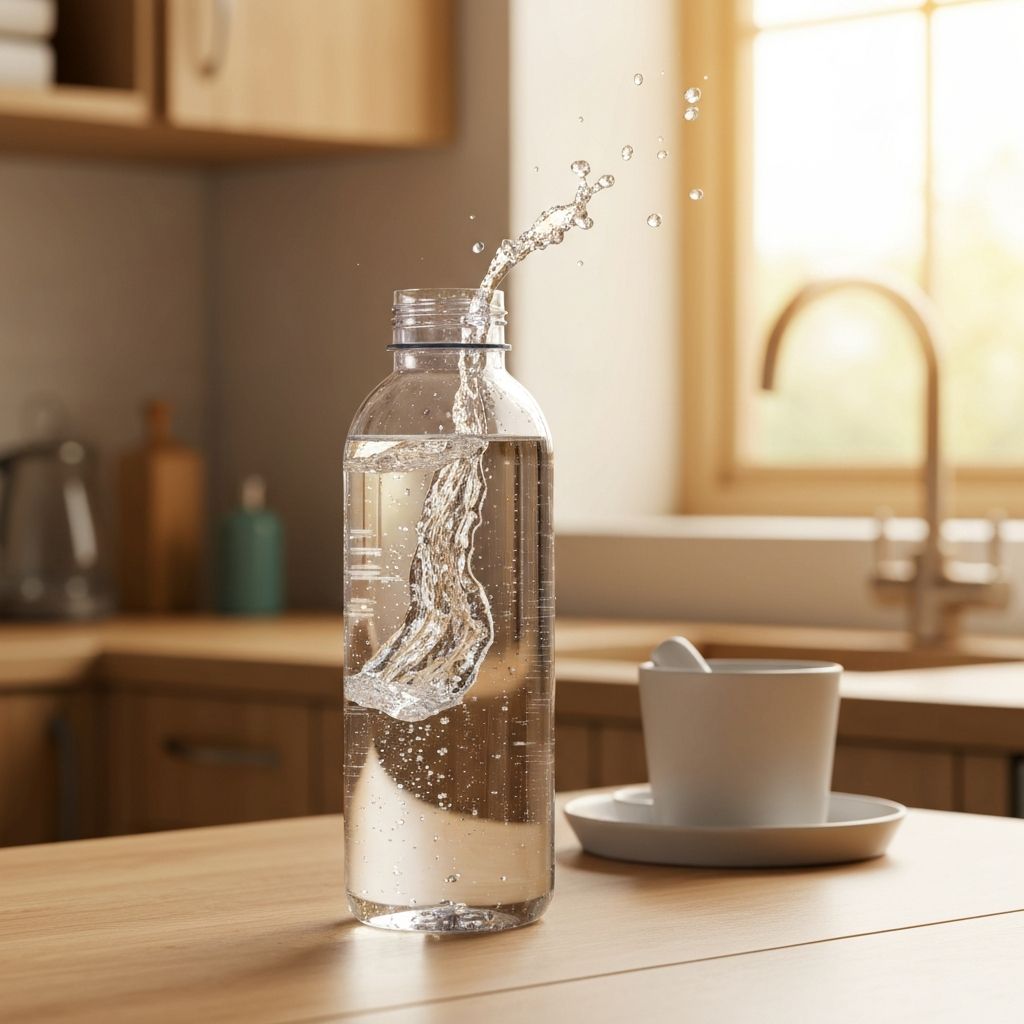
Hydration awareness manifests differently across various daily scenarios and environments. This article explores practical considerations related to hydration from an educational perspective, explaining different contexts without prescribing specific behaviours for individuals.
Home Environment Considerations
Home environments provide different contexts for hydration awareness. Water access is typically unrestricted, allowing individuals to develop personal patterns of consumption. Some people naturally keep water readily available in frequently occupied spaces, while others access water as needed from the kitchen or bathroom.
Home routines influence hydration patterns. Morning rituals, meal preparation and consumption, leisure activities, and evening routines all represent opportunities for water consumption. Individual habits vary widely regarding which of these occasions involve water intake.
Workplace Hydration Context
Workplace environments present unique hydration contexts depending on the nature of work and workplace culture. Office environments typically provide accessible water through fountains, coolers, or kitchen facilities. The location and convenience of these water sources can influence consumption patterns.
Work schedules affect hydration opportunities. Individuals with flexible breaks may access water more frequently, while those with structured or limited break times may have different patterns. Neither approach represents a universal standard, as workplace contexts vary significantly.
Some workplaces involve physical labour or exposure to heat, which naturally correlates with increased thirst awareness. Other environments are sedentary and climate-controlled, associated with different hydration patterns. These variations reflect environmental context rather than optimal versus suboptimal practices.
Travel and Transportation
Travel presents particular hydration contexts. Air travel involves low-humidity cabin environments, which some individuals find influences their thirst patterns. Road travel varies in water accessibility depending on vehicle type and travel duration. Public transportation presents different considerations regarding water access and consumption convenience.
Individual approaches to hydration during travel vary. Some people carry water containers during travel, while others rely on accessing water at destinations. Both approaches are observed among travellers and reflect personal preferences rather than prescribed behaviours.
Educational and Social Settings
Educational environments like schools, universities, and training facilities present various hydration contexts. Classroom or lecture settings may limit opportunities for water consumption, while break periods provide access. Individual institutions have different policies and norms regarding water consumption during activities.
Social gatherings naturally involve beverage consumption, though the types and amounts vary by social context and cultural norms. Some social situations emphasise hydration more than others, and individual participation patterns differ.
Outdoor and Recreational Contexts
Outdoor activities present hydration considerations related to access and environmental conditions. Urban outdoor activities typically allow for water access through public facilities or carried containers. Remote outdoor activities require planning regarding water availability and transport.
Recreational activities vary in their hydration demands. Passive outdoor activities like picnicking involve different considerations compared to active pursuits like hiking or sports. Environmental conditions such as temperature and sun exposure influence thirst patterns during outdoor activities.
Climate and Seasonal Factors
Geographic location and seasonal changes influence hydration contexts. Hot climates and summer months are naturally associated with increased thirst awareness for most individuals. Cold climates and winter months may correlate with different hydration patterns, though individual variation exists.
Climate-controlled indoor environments partially moderate seasonal effects, creating more consistent hydration contexts for individuals who spend significant time indoors. However, outdoor exposure during commuting or recreation still presents seasonal variation.
Water Container Practices
Many individuals use personal water containers in various contexts. Reusable bottles, glasses, and other containers represent common approaches to maintaining water access. The choice to use containers, their size, and when they are used varies among individuals.
Container practices relate to practical considerations including portability, capacity, and environmental context. Some situations favour certain container types over others, and individual preferences guide these choices.
Beverage Variety Considerations
While water represents a primary hydration source, various beverages contribute to fluid intake. Tea, coffee, milk, juice, and other drinks contain water and contribute to overall hydration, though their additional components mean they differ from plain water.
Individual beverage preferences vary widely across cultures and personal taste. Some people primarily consume plain water, while others incorporate various beverages into their hydration patterns. These choices reflect personal preference rather than prescriptive requirements.
Food Sources of Water
Foods contribute significantly to overall water intake, with fruits, vegetables, soups, and other foods containing substantial water content. The contribution of food to hydration varies based on dietary patterns and food choices.
Diets emphasising fresh fruits and vegetables naturally provide more water from food sources compared to diets based on drier foods. Neither approach is universally prescribed, as dietary patterns are influenced by numerous factors including cultural background, personal preference, and availability.
Technology and Hydration Awareness
Some individuals use technology to support hydration awareness, including smartphone applications, smart water bottles, or wearable devices with hydration reminders. Others rely on natural thirst signals without technological assistance. Both approaches are observed among populations.
The choice to use technology for hydration tracking represents personal preference and is not universally necessary. Natural thirst mechanisms provide ongoing feedback for most individuals in most circumstances.
Individual Awareness and Signals
Individual awareness of hydration status varies. Some people report high sensitivity to thirst signals, while others may notice thirst less readily. These differences represent natural variation in physiological perception rather than deficiencies requiring correction.
Other bodily signals may correlate with hydration status, though their reliability varies among individuals and circumstances. Individual attention to personal signals develops through experience and varies in approach and emphasis.
Practical Accessibility
Water accessibility varies across different life contexts and geographic locations. Urban areas in developed regions typically provide extensive water access, while rural areas or regions with different infrastructure may present different accessibility contexts.
Individual circumstances regarding water access influence hydration patterns naturally. Those with consistent, convenient access may develop different patterns compared to those facing accessibility challenges. These differences reflect practical reality rather than choice.
Educational Context and Limitations
This article provides educational information about practical considerations related to hydration awareness in various contexts. It does not constitute personalised advice or recommendations for individual circumstances. Hydration needs and appropriate practices vary significantly among individuals based on numerous personal factors including health status, activity level, environment, and individual physiology. This content explains various contexts and observations but does not prescribe specific actions or suggest optimal approaches. Individuals should make personal decisions based on their own circumstances and, where appropriate, consultation with qualified professionals.
Continue Learning
Explore more educational articles about hydration patterns and related topics.
Explore further