 AquaLife
Daily Hydration Habits Explained
Educational article | February 2026
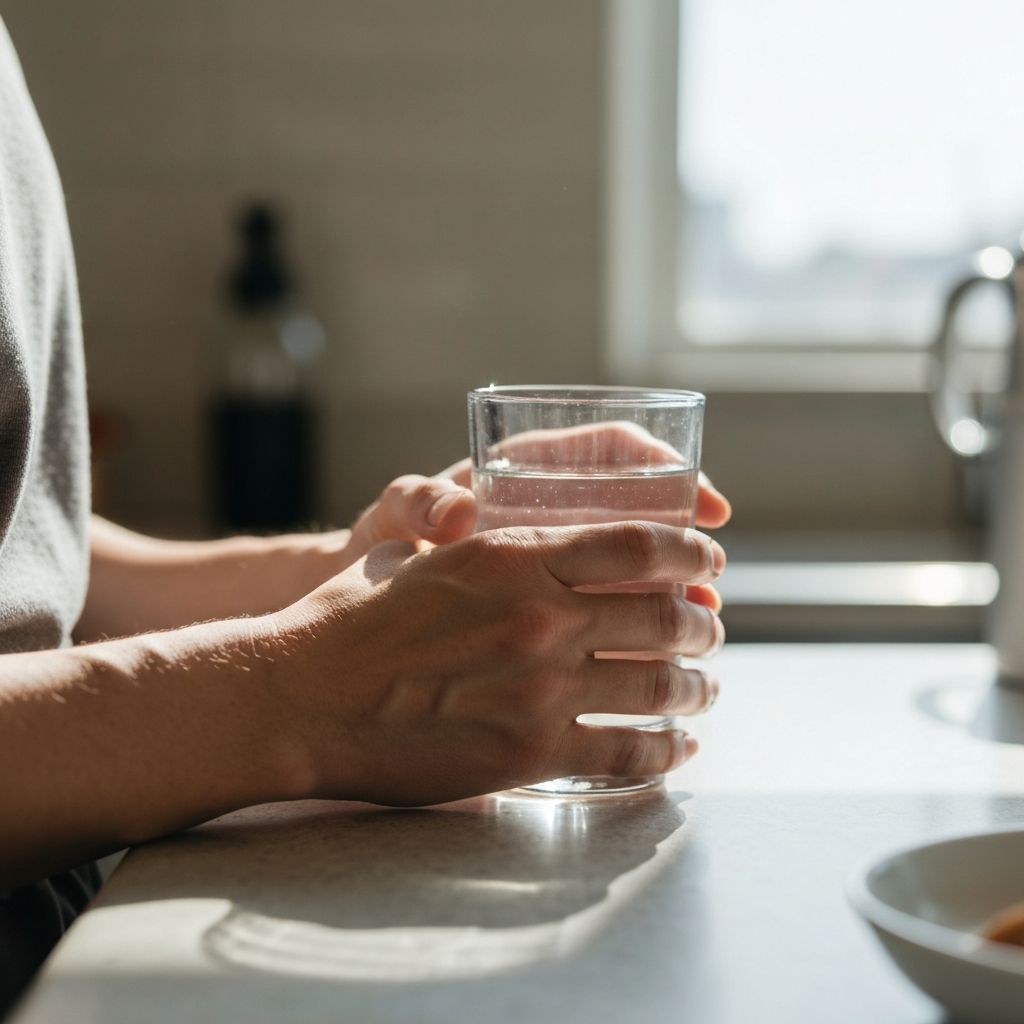
Hydration habits represent the patterns and practices individuals develop regarding water consumption throughout their daily lives. These habits are highly variable across populations and are influenced by numerous factors including cultural background, environmental conditions, work routines, and personal preferences.
Understanding Hydration Patterns
Daily hydration patterns can be observed across different time periods and activities. Some individuals develop morning hydration routines, consuming water upon waking. Others may notice increased thirst during specific activities or times of day. These patterns are individual in nature and reflect personal circumstances.
The timing of water consumption varies widely among populations. Some individuals spread water intake throughout the day, while others may consume larger amounts at specific times. Neither pattern is universally prescribed, as individual needs and preferences differ significantly.
Factors Influencing Hydration Habits
Multiple factors contribute to the development of individual hydration habits. Environmental temperature and humidity can influence thirst patterns. Physical activity levels naturally affect water consumption patterns, with more active individuals often observing different hydration needs compared to sedentary individuals.
Workplace environments also play a role in hydration patterns. Access to water, work schedules, and the nature of work tasks can all influence when and how individuals consume water throughout their working hours.
Dietary patterns represent another factor, as foods contain varying amounts of water. Individuals consuming diets rich in vegetables and fruits may obtain more water from food sources compared to those with different dietary patterns.
Morning Hydration Patterns
Many individuals report thirst upon waking, which has led to various morning hydration practices across different cultures. Some people incorporate water consumption into their morning routine, while others do not prioritise this practice. Both approaches are observed in healthy populations.
The physiological basis for morning thirst relates to the extended period without fluid intake during sleep. However, individual responses to this vary, and there is no universal requirement for all individuals to follow the same morning hydration pattern.
Workplace Hydration Considerations
Work environments present different hydration contexts. Office workers may have consistent access to water throughout the day, while individuals in other professions may face more limited opportunities for water consumption. These environmental factors naturally influence hydration patterns.
Some occupations involve physical labour or exposure to heat, which typically correlates with increased thirst and water consumption. Other work environments are climate-controlled and sedentary, often associated with different hydration patterns.
Evening and Night-time Patterns
Evening hydration habits vary considerably among individuals. Some people reduce water intake in the evening hours to minimise night-time awakening, while others maintain consistent water consumption throughout waking hours. Individual preferences and circumstances guide these patterns.
Sleep quality and night-time bathroom visits are considerations that some individuals factor into their evening hydration practices. However, optimal approaches vary by individual, and no single pattern applies universally.
Cultural and Social Influences
Cultural practices influence hydration habits across different societies. Some cultures emphasise specific beverages or drinking practices, while others have different traditions. Social situations also affect hydration patterns, with gatherings and meals often involving beverage consumption.
Geographic location and climate significantly influence cultural hydration practices. Populations in hot climates have often developed different approaches to hydration compared to those in cooler regions.
Individual Variation and Preferences
Individual differences in hydration habits are substantial. Factors such as body size, metabolic rate, health status, medications, and personal history all contribute to individual hydration patterns. This variability means that generalised recommendations may not apply equally to all individuals.
Some individuals report greater sensitivity to thirst signals, while others may not notice thirst as readily. These differences are natural variations in physiological response and do not indicate that one pattern is superior to another.
Educational Context and Limitations
This article presents educational information about hydration habits and patterns. It does not provide personalised recommendations or advice for individual circumstances. Hydration needs vary significantly among individuals based on numerous factors including body size, activity level, climate, health status, and personal circumstances. This content explains general patterns and concepts but does not prescribe specific actions. Individuals should make personal decisions based on their own circumstances and, where appropriate, consultation with qualified professionals.
Continue Learning
Explore more educational articles about hydration patterns and related topics.
Explore further